


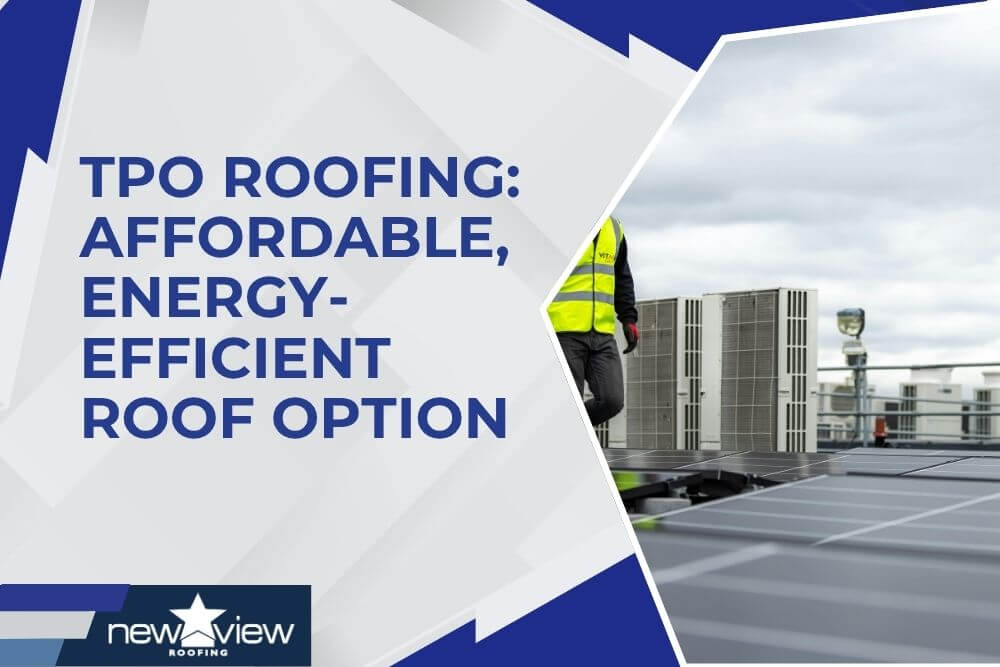
 TPO (thermoplastic polyolefin) and PVC (polyvinyl chloride) are thermoplastic single-ply roofing membranes that have heat-welded seams. Both are considered ‘cool’ roofing materials and may help improve energy efficiency and reduce cooling demands. They’re also installed using a similar process. The differences between the two materials lie in their chemical formulas. Both are designed to conform to the movement of the roof; however, PVC and TPO have different performance characteristics. PVC is often selected for applications where chemical resistance is a priority and may offer greater flexibility in certain applications. TPO and PVC have different cost and performance characteristics, and TPO is often selected when project budget is an important consideration.
More on TPO Roofing Materials
TPO, a single-ply (meaning one-layer) roofing membrane is one of the fastest-growing commercial roofing products on the market. These types of roofs are incredibly popular because they’re generally simple to install; they’re also incredibly versatile and durable. These factors make TPO roofing materials a commonly selected option for many commercial buildings.
TPO roof membranes come in sheets that are 10, 12 or 20 feet wide. Your installers will choose the appropriate width to minimize the number of seams on your roof. Reducing the number of seams may help reduce potential points of water intrusion, so this is a way your contractor helps minimize your risk of leaks.
Some of the other benefits of TPO roofs include:
- Water-resistant characteristics when properly installed
- Reflective surface that may help reduce solar heat absorption and UV exposure, which can damage building components
- They’re made from a single layer of synthetic materials and reinforcing scrim and are commonly selected for commercial roofing applications
- You can choose what type of insulation you want to use with TPO roofing materials
- Certain TPO roofing assemblies may achieve Class A fire ratings depending on the product, assembly design, and testing standards, and there are fire retardant chemicals added to the product during the manufacturing process
How Can TPO Roofing Save You Money?
Particularly when compared to black roofs made from materials such as EPDM, TPO roofing reflects UV rays and heat from your building. TPO roofing may help reduce cooling demands and improve energy efficiency. Project costs vary, but TPO is often selected when budget considerations are important.
TPO Roof System Installation
TPO is a durable yet cost-effective membrane designed for commercial and industrial single-ply systems. TPO is known for its:
- Cost-conscious roofing option
- Ease of installation
- Energy efficiency
- Thermal expansion properties
Many people choose TPO roof systems because installation may require less labor than some alternative roofing systems, depending on project conditions.
Insulation on TPO Roofs
All roofing materials need some type of insulation. With TPO roofs, you can generally choose from:
- Polyisocyanurate, or Polyiso. Polyiso is a commonly used insulation type, and although it’s more expensive than other types of insulation, it has a higher R-value rating.
- Expanded polystyrene, or EPS. EPS is commonly used on roofs, walls, and floors because it can provide a favorable balance between insulation performance and cost. It can even be used for ground contact, and it doesn’t retain water over time, which makes it an attractive choice for many commercial building owners.
- Extruded polystyrene, or XPS. XPS insulation is generally blue, green or pink, but you won’t see it through your roofing materials. This is a middle-of-the-road insulation when it comes to price and performance, and it’s semipermeable.
What is R-Value?
R-value is a measure of how well a material resists heat flow. The higher a material’s R-value is, the more capable it is of insulating. R-value is incredibly important when you’re choosing commercial roofing materials, because the thicker your insulating layer is, the more thermal resistance your roof will provide. If you’re insulating a roof on a building that must remain cold, for example, you’ll want an insulation with a very high R-value and thickness.
So what R-value do you need? Your commercial roofing contractor will guide you, but here’s a quick look (Insulation requirements vary based on building type, climate zone, applicable codes, and project requirements.):
- Attics need between R-30 and R-60
- 2×4 walls need between R-13 and R-15
- 2×6 walls need between R-19 and R-21
- Floors and crawl spaces need between R-13 and R-40
For your purposes, depending on the specifics of your building, the appropriate insulation value will depend on your building, local codes, and project requirements.
How Much Does TPO Roofing Cost?
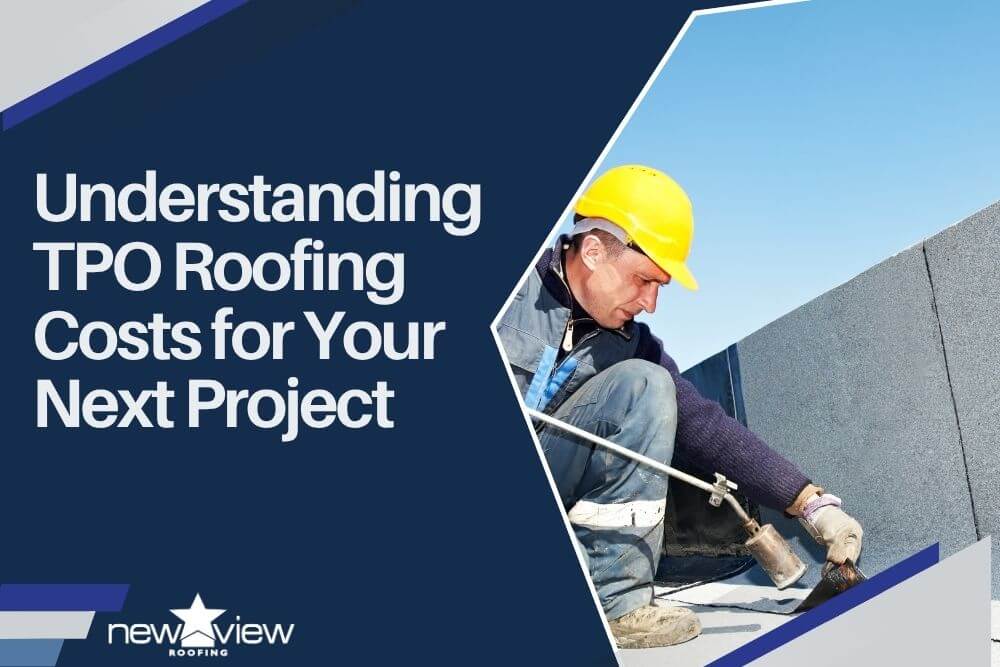 Every roofing project is different, which means there’s no one-size-fits-all cost when it comes to TPO roofing materials. Pricing varies by project and market conditions for both materials and labor, although there’s a lot of leeway on the upper end. These are some of the factors that will affect your price:
- Your roof’s size
- The condition of the roof you already have
- Whether you’re installing a completely new roof or you’re building new construction
- How easy it is for workers to access your roof and bring materials to its top
- The insulation you choose
- The membrane you choose
- Whether there are any roof penetrations (such as vents and chimneys)
- The type of warranty that you choose with your roofing materials (or what the manufacturer offers)
How Long Does a TPO Roof Last?
Depending on installation quality, maintenance, climate, and operating conditions, TPO roofing systems may provide service lives of approximately 15 to 20 years or longer. If you notice any issues with your roof, such as seams coming apart, punctures, or failing flashings, you should have them repaired by an expert immediately. If you notice a leak, you need a roof inspection to find the source and stop the problem right away. Your inspector will:
- Find out where the leak is
- Ask you how old the roof is
- Determine how many layers the roof has
- Examine the condition of the roof’s seams
If the damage is too severe, or if your TPO roofing materials have “aged out,” you may need to replace your entire roof. However, it’s always worth seeing if you can make repairs before investing in a completely new roof.
When you do need a new roof, your commercial roofing contractor will talk to you about all your options, including what types of materials are available, which materials may be most appropriate for your budget and project requirements, how long it will take to replace your roof, and how long you can expect your new TPO roof to last.
