


Roof leaks may worsen over time if left unaddressed, depending on the cause, location, and extent of the damage – and if your roof has a leak in it, whether it’s in your residential home or a commercial building you own, it’s a good idea to have the roof evaluated promptly. Even if you’re not sure where the leak is coming from, our team can inspect your roof and help identify the source. Then, we’ll provide recommendations based on the condition of your roof and available repair options.
Roof Leak Detection Services
At New View Roofing, our goal is to identify roof leaks early and recommend appropriate repair solutions. We achieve this through a variety of proven methods. Our roofing experts are trained to inspect roofing systems for signs of leak-related issues and potential sources of water intrusion and recommend appropriate repair solutions.
The Anatomy of a Roof Leak
Sometimes leaks can be tough to find. In some cases, the location you see the water coming from isn’t the actual leak at all. Depending on the severity of the leak, its location, and even its cause, the dripping you can see inside your home or business may be several feet away from the actual leak.
What Happens With a Minor Roof Leak?
Over time, even minor roof leaks can contribute to property damage if left unaddressed. That’s because water leaks generally worsen over time if they are not repaired, and sometimes small leaks can develop into more significant problems if left unaddressed. Even small leaks may contribute to issues such as mold growth, wood deterioration, and other property damage.
Some of the most common issues a leaking roof can cause include:
- Mold and mildew issues. Though mold won’t grow immediately, the longer a leak goes undetected, the better chance it has at thriving in your space. Mold may spread throughout a property and can require professional remediation.
- Electrical systems may be affected by water intrusion and should be evaluated if a roof leak is present.
- Attic and ceiling damage. A leaking roof may contribute to damage to items stored in your attic and to roofing components – and to your insulation. When insulation becomes wet, its effectiveness may be reduced. Reduced insulation performance may contribute to increased energy usage and higher utility costs. When water makes its way into your main living area or workspace, the paint on the ceiling can bubble and expand; the plaster of the ceiling can become soggy and crumble away. Additionally, leaking water can discolor your ceiling and walls.
- Structural problems. Prolonged moisture exposure may affect the condition and performance of structural components. Prolonged water intrusion can contribute to structural deterioration and may require significant repairs. Severe structural deterioration can result in costly repairs and extensive property damage.
How Do You Know if Your Roof is Leaking?

One possible sign of a roof leak is visible water intrusion indoors. You should not ignore water intrusion from a ceiling, as it may indicate a roof leak or another moisture-related issue. However, you should also rule out other causes, such as leaking pipes, before you jump to any conclusions.
The best way to determine whether your roof is leaking is to have an expert inspector from New View Roofing come to your home or business and check things out for you. If a leak is present, our inspector will conduct a thorough evaluation to help identify its source. Then, the inspector will provide recommendations for repair options based on the findings. Our inspector will even give you a quote on the spot so you know what costs you’re facing.
If you don’t see any visible leaks inside your space, there are other signs that can tip you off that your roof is leaking. Watch for signs like these:
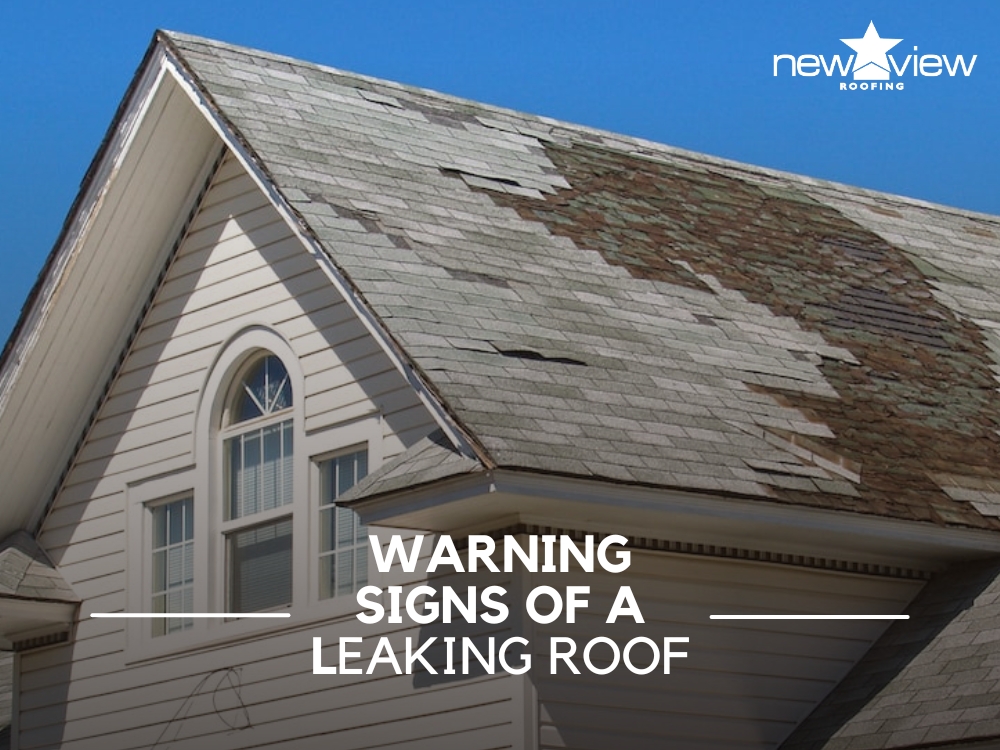
- Discoloration and water spots on your ceiling or walls. If your roof is leaking, even if it’s not a current or active leak, you may notice a brown or yellow spot on your ceiling, or even trailing down your walls. That’s because damp or wet areas can collect dirt, pollution and debris.
- Missing shingles or tiles on your roof. Shingles and tiles are your roof’s first line of defense against water, which means when they’re missing, they can’t protect your building like they should. Though missing shingles or tiles isn’t a certain sign that your roof is actively leaking, it’s a sign that water now has a path to make its way into your building. You should have an inspector come check out your roof right away if you have missing shingles or tiles; they should be evaluated and repaired as appropriate, and an inspector can determine whether water has had a chance to make its way into your space yet.
- Missing or damaged flashing. Flashing is the material that covers joints in your roof where things stick out from it, such as your chimney, skylights and vents. If the flashing is missing or damaged, there’s a pathway for water to make its way into your roofing materials.
- Moisture in your attic. Though moisture in your attic can occur for other reasons (such as poor ventilation), there’s a good chance that you have a roof leak if your attic is damp. You may feel the dampness in the air, notice that your insulation is waterlogged, or see water damage on the rafters. (Like it does to ceilings, water can cause staining on your rafters.) You may also see frost buildup on your rafters or other items in your attic during winter.
- Mold growth in your attic or elsewhere in your home. Mold needs a damp, dark place to thrive – and damp attics create the perfect environment. Though moisture can make its way into your attic through other means (such as poor ventilation), it’s a sign that your roof may be damaged and allowing water to come in.
New View Roofing’s State-of-the-Art Leak Protection Technology
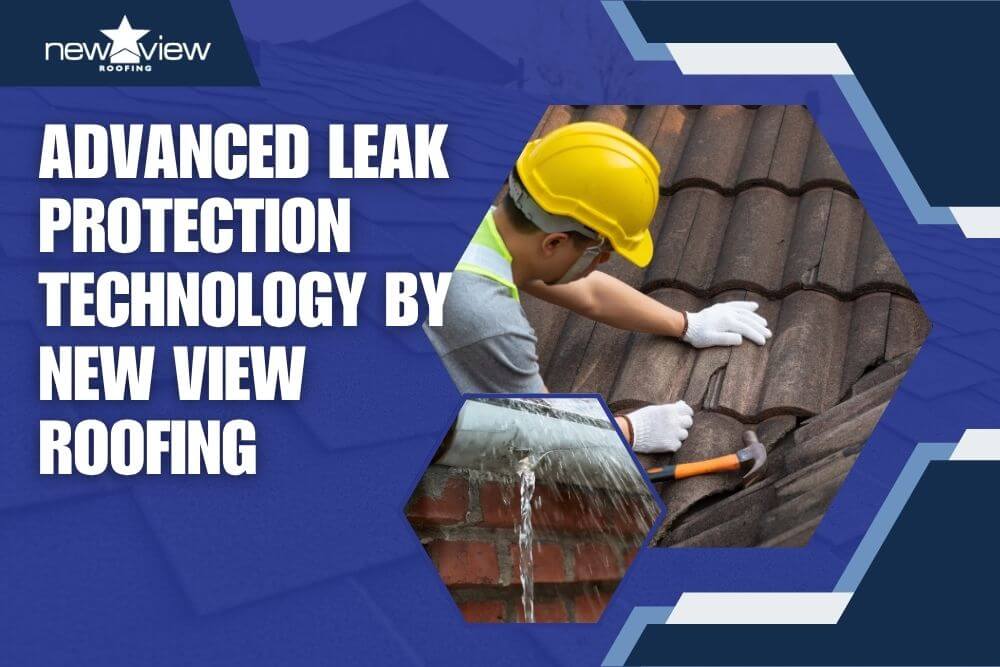 Damage caused by leaks can range anywhere from minor water stains and electrical damage to significant structural deterioration of the roofing system.
Our goal is to help reduce the risk of these issues. Thanks to advances in leak detection technology, our roofing contractors are expertly trained in the latest practices to identify existing leaks and recommend solutions designed to help reduce the risk of future water intrusion. We use effective leak-testing methods, including electronic infrared thermal technology. This technology can help identify small breaches in a roof membrane, helping our team identify areas that may require repair before more extensive damage occurs.
Because most commercial properties have flat roofs as opposed to sloped, water may not drain as efficiently as it does on sloped roofing systems. In some cases, inadequate drainage may allow water to accumulate and increase the risk of water intrusion. New View Roofing offers waterproofing services that may help reduce water intrusion.
With waterproofing roof coatings, we can add a protective coating designed to help reduce water intrusion. Depending on the roofing system and product selected, waterproofing solutions may help improve overall roof performance.
Common Roof Waterproofing Materials
There are several ways to waterproof a roof, whether it’s on a residential home or a commercial building. The method your roofer explains to you will depend on the type of roofing materials you have. However, the most common waterproofing techniques include:
- Bituminous membrane waterproofing
- Polyurethane liquid membrane waterproofing
Here’s a closer look at each.
Bituminous Membrane Waterproofing
Bituminous membrane waterproofing is a good option in many cases because it’s:
- UV resistant
- Flexible enough to resist breaking, cracking and denting
- Chemical resistant, which means it’s okay to use on factories
- Resistant to punctures, even during heavy storms that throw around a lot of debris
- Cost effective
Polyurethane Liquid Membrane Waterproofing
Polyurethane liquid membrane is a thin coating that goes on your roofing materials, and people choose it because:
- Because the membrane is applied as a continuous coating, it may help reduce potential pathways for water intrusion
- It’s flexible enough to resist cracks as a building moves or settles
Your roofing expert from New View Roofing will talk to you about your options and provide recommendations designed to help improve your roof’s resistance to weather-related conditions.
Spotting Leaks: A Homeowner’s Guide
It’s crucial for homeowners to recognize the early signs of roof leaks to prevent extensive damage. Look for water stains on ceilings or walls, which often appear as brownish rings. Peeling paint or bulging patches on interior walls can also indicate a leak. Don’t forget to check the attic; damp rafters or insulation are telltale signs. After heavy rain, inspect your roof for missing, damaged, or aged shingles, as these can allow water to seep through. Regular self-inspections may help identify issues earlier.
Your Roof’s Best Defense: Preventive Care
Regular maintenance can help support roof performance and identify potential issues. Ensure your gutters are clear of debris like leaves and twigs, as blockages can cause water to back up and damage your roof. Trimming tree branches that hang over your roof will reduce the risk of damage and limit debris accumulation. It’s also wise to schedule professional inspections annually; a roofing expert may identify issues that are not immediately visible during a basic visual inspection.
FAQ About Roof Leak Detection
 Check out these commonly asked questions about roof leaks. If you read through them and still don’t see the answers you’re looking for, let us know — we’ll be more than happy to answer your questions over the phone.
What Are the Signs of a Roof Leak?
Water stains may indicate a roof leak or another source of moisture intrusion. Other signs include musty odors in certain rooms, spots on your exterior walls, or bulges in your interior paint. It’s a good idea to have these signs evaluated promptly to determine whether repairs are needed.
How Often Should I Inspect My Roof?
We recommend having a professional inspect your roof at least once a year and after any major storm as well as doing visual inspections from the ground yourself every quarter. This may help identify potential issues before they become more extensive. However, if you live in an area with severe weather, more frequent checks may be necessary.
Can I Inspect My Roof Myself?
Yes, you can perform a basic roof inspection yourself by looking for visible signs of damage from the ground. However, for a thorough inspection, it’s best to hire a professional who has the expertise and equipment to identify and address any issues safely.
What Should I Do If I Find a Leak?
If you find evidence of a leak, it’s important to contact a roofing professional as soon as possible. Quick action may help reduce the likelihood of more extensive damage.
Will Delaying Leak Repairs Cause More Damage?
Delaying repairs may increase the risk of more extensive damage. Water can deteriorate the structure of your home, leading to issues such as mold growth, wood deterioration, and other structural concerns. Addressing leaks promptly may help reduce the risk of additional damage and support the long-term condition of your home.
How Can I Prevent Roof Leaks?
Preventing roof leaks starts with regular maintenance. Keep your gutters clean, ensure your roof materials are in good condition, and replace sealants as needed. Also, after any severe weather, inspect your roof for damage or potential weak spots. Preventive maintenance may help reduce the risk of roof leaks.
Does Homeowners Insurance Cover Roof Leaks?
Coverage for roof leaks depends on your specific insurance policy and the cause of the leak. Generally, if the leak is due to sudden accidental damage, it may be covered. However, leaks due to wear and tear or lack of maintenance are typically not covered. It’s best to check with your insurance provider for details.
Do You Need to Talk to an Expert About Roof Leak Detection?
If you suspect that your roof is leaking, call our office today to schedule a consultation with a roofing expert. We can answer your questions, inspect your roof and provide you with a quote for recommended repair options.
