


At New View Roofing, we provide comprehensive roof inspections and swift storm damage roof repair services for homeowners throughout the Dallas–Fort Worth area.
When you hire us, our team will help guide you through the roof restoration process from inspection through project completion. We will carefully evaluate the condition of your roof, explain whether repairs or a storm damage roof replacement is the better option, and help you restore your home after severe weather.
Table of Contents
Free Roof Inspection
Regular roof maintenance can extend the lifespan of your roof and save money on a premature replacement. As a Dallas roof repair contractor, New View Roofing can help you better understand the condition of your roof.
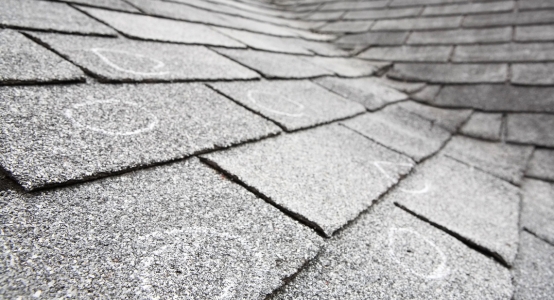
Hail Damage
New View Roofing provides hail damage inspection and repair services for residential and commercial properties.
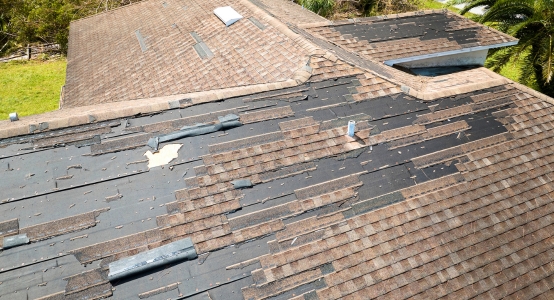
Wind Damage
New View Roofing provides wind damage inspection and repair services to help address storm-related roof damage.
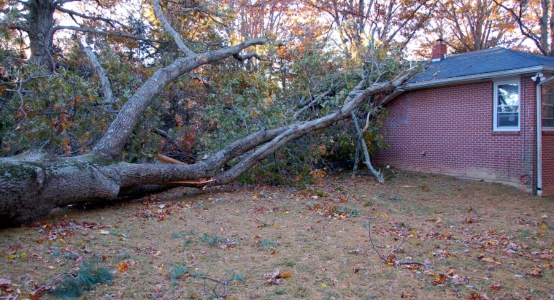
Roof Damage From Trees
New View Roofing provides inspection and repair services for roof damage caused by fallen trees.
Request A Free Roof Inspection Now!
What is Storm Damage Roof Repair?
Severe weather can cause immediate and hidden damage that puts your home at risk. Hail, high winds, heavy rain, and falling debris can all contribute to roof storm damage, leading to leaks, missing shingles, weakened flashing, and structural issues.
That’s why scheduling storm damage roof repair as soon as possible helps prevent further deterioration, protects your home from additional water damage, and preserves the lifespan of your roofing system.
In cases where the damage is extensive, a storm damage roof replacement may be the safest and most cost-effective long-term solution.
How Do You Know if You Need Storm Damage Roof Repair Services?
There are several signs that you need storm damage roof repair after a storm, and most notably, you may find leaks in your home.
(Roof leaks should be addressed promptly. Remember, water in your roof only gets worse with time; delaying repairs may allow damage to worsen and can increase storm damage roof repair costs).
You may also notice:
- Missing shingles
- Bald spots on your shingles
- Loose debris on your roof or around your home
- Hail-damaged shingles
- Clogged or broken gutters and downspouts
- Ice dams on your roof
- Damage to your roof supports or accents
- Moisture in your attic
Here’s a closer look at each type of roof storm damage, how to spot it, and what to do about it.
Roof Storm Damage Sign #1: Missing Shingles
Missing shingles may indicate that your roof sustained storm-related damage. You can usually spot missing shingles or roof tiles by walking around your home’s exterior from a good distance away.
The problem is that shingles and roof tiles are the outer layer of your roof, and they provide protection for all the layers beneath them. When even one shingle is missing, there’s a pathway for water to get inside your roofing materials. From there, water intrusion may occur and could contribute to damage within the roofing system or building.
If you see missing shingles, especially after a storm, you should call a roofing contractor immediately for a free roof inspection.
Roof Storm Damage Sign #2: Bald Spots on Your Shingles
Shingles are covered by small, protective granules. Those granules help your roof shed water, but if they’re missing, they can’t do their jobs. You may see “bald spots” on some of your shingles, which happen with aging or after a roof has been through a storm.
You may also find shingle granules in your gutters, near your downspouts or in your yard directly under your roof line. You should discuss your options with a roofing professional.
Roof Storm Damage Sign #3: Loose Debris on Your Roof or Around Your Home
After a storm, loose debris sitting on your roof or around your home may indicate that your roof has been damaged.
You should call a roofing contractor to schedule a free roof inspection right away, as not all impact damage from a storm will be visible from the ground.
You may want a roofing professional to evaluate your roof and assess its condition after severe weather.
Roof Storm Damage Sign #4: Hail-Damaged Shingles
You may notice that some of your shingles appear dented – that’s pretty common after hail hits. If you have roof tiles rather than shingles, some of them may be cracked or broken.
Again, shingles and tiles are your roof’s first line of defense; if they’re broken or damaged, they can’t protect the layers of roofing materials beneath them.
Roof Storm Damage Sign #5: Clogged or Broken Gutters and Downspouts
Debris from storms can easily clog your gutters – but fortunately, that’s an easy fix. You can unclog your gutters yourself. However, some storms are so severe that wind and flying debris (including hail) can damage your gutters so they can’t carry water safely from your roof to your downspouts.
If your gutters are damaged from a storm, you should call a professional to inspect and repair or replace them as soon as possible to prevent other problems associated with falling gutters.
Roof Storm Damage Sign #6: Ice Dams on Your Roof
Shingled roofs that haven’t been properly maintained are prone to ice dams after winter storms. Ice dams develop when snowmelt refreezes on the surface of the roof.
One sign that you’re dealing with ice dams is the presence of icicles; you may also notice a big, icy patch on your roof when you’re looking at it from the ground.
If you have ice dams on your roof, you’ll need to have a professional come out and inspect it for damage as soon as possible.
Another one major problems with ice dams is that when water melts, it contracts; then, when it refreezes, it expands – and that expanded water can be beneath shingles.
If water expands beneath your shingles, it can force them out of position. Even worse, the ice will eventually melt on the now-exposed roofing materials that the shingles were protecting.
Roof Storm Damage Sign #7: Damage to Supports or Accents
In many cases, it’s hard to tell if your roof supports are damaged, but you can look for areas that seem to gather pools of water when it rains. Look at flashing (the joining material that seals out water around things that protrude from your roof, such as skylights or chimneys) to see if it’s in good shape, as well. Anything that could allow water into the layers of roofing materials beneath your shingles is bad news.
If you see saggy areas on your roof, or if you notice that you have damaged or missing flashing around accents on your roof, you should schedule a free roof inspection immediately. Water problems never get better with time; they only become worse and repairing them becomes more expensive.
Roof Storm Damage Sign #8: Moisture in Your Attic
You shouldn’t have moisture in your attic, but unfortunately, people who do have moisture don’t notice it until a bigger problem pops up. You should check your attic after a storm to see if it’s damp; if it is, water may be finding its way in.
You should look for wet spots on wood, frost or mold while you’re in there. Each of these is a sign of a water incursion.
Free Roof Inspection
Regular roof maintenance can extend the lifespan of your roof and save money on a premature replacement. As a Dallas roof repair contractor, New View Roofing can help you better understand the condition of your roof.
Does Insurance Cover Roof Storm Damage?
In many cases, insurance covers roof damage after a storm. If you suspect your roof has been damaged after a storm, New View Roofing can perform a thorough inspection to identify visible signs of damage and document our findings for roof coverage. We’ll:
- Provide you with a roof inspection and a free estimate on any necessary repair work
- Document storm-related roof damage with photos and detailed observations
- Explain the condition of your roof and recommend whether repair or replacement is appropriate

- Provide an agreement on the work we’ll complete to fix your roof
- Schedule and install your new roof, as well as complete all the work outlined on the Statement of Loss for the amount your insurance company covers
When you’re dealing with roof storm damage, having clear documentation can help you better understand your roof’s condition and support your discussions with your insurance company. We’ll be there to guide you every step of the way.
Storm Damage Roof Repair or Replacement: How to Know Which You Need
When you’re dealing with roof storm damage, one of the first questions homeowners ask is whether they need a simple fix or something more extensive. The answer depends on how widespread the damage is, how old your roof was before the storm hit, and what your insurance adjuster finds during inspection.
In many cases, storm damage roof repair is enough to restore your roof’s protection. If a storm has caused isolated issues, like a handful of missing shingles, a small area of hail bruising, or minor flashing damage, a targeted repair can usually resolve the problem without the cost or disruption of a full replacement. Our team focuses on matching materials as closely as possible, so repaired sections blend in with the rest of your roof.
However, some storms cause damage that goes beyond what a repair can reasonably fix. A storm damage roof replacement becomes the better option when damage is spread across a large portion of the roof, when the underlying decking has been compromised by water intrusion, or when your roof was already nearing the end of its lifespan before the storm struck. In these cases, patching individual problem areas often leads to more repairs down the road, since the roof’s overall structure is no longer sound.
A professional roof inspection is the best way to know which category your roof falls into. Our team looks at the full picture, not just the obvious damage, to determine whether storm damage roof repair will hold up long-term or whether a replacement makes more financial sense. We also factor in your insurance coverage, since your policy’s terms can influence whether repair or replacement is the more practical path forward.
How We Help You Decide
During your free inspection, our licensed roof contractors will document every area of roof storm damage we find and provide recommendations for storm damage roof repair or replacement. Our goal is to give you an honest assessment so you can make the decision that’s right for your home and your budget.
If your insurance adjuster’s findings differ from ours, we can give you additional documentation and evidence so you can make sure your Statement of Loss accurately reflects the true extent of the damage. Either way, you’ll have a clear plan before any work begins.
Request A Free Roof Inspection Now!
We Fix Common Types of Roof Storm Damage
The most common types of storm damage include:
- Hail damage
- Wind damage
- Fallen debris
Here’s a closer look at each.
Hail Damage
Hailstones fall thousands of feet from the sky and can easily dent, bruise, crack, or smash through roofing components and siding. It can be difficult for the untrained eye to detect hail damage. Our trained professionals will carefully check for any signs of hail damage after a storm event.
Wind Damage
High winds can lift and break the adhesive seal underneath shingles. If wind-blown debris enters the shingle layer during the storm and prevents the shingle from resealing, then the shingle requires repair. We provide wind damage inspections to identify these problems before they allow water intrusion.
Falling Debris
Tree branches and other large objects picked up in a storm can fall on your roof, causing destructive impact damage. One of our certified roofing contractors will remove the debris and make a plan to restore your roof.
Roof Storm Damage Checklist
- After a storm has safely passed, assess your roof for storm damage by walking around the perimeter of your property. Look for any obvious signs of damage such as missing, cracked, or lifted shingles.
- Check for dents in your gutters and cracks in windows.
- Inspect for fallen tree limbs, broken fences, and damage to landscaping.
- Keep an eye out for leaks and water spots inside your home, especially in the attic and on the ceilings of upper rooms.
Request a Free Inspection for Storm Damage Roof Repair
If you suspect your roof has been damaged in a storm, we may be able to help you. Call us to schedule your free roof inspection for storm damage roof repair services. We’ll send a roofing professional to assess the situation and discuss potential next steps.

