



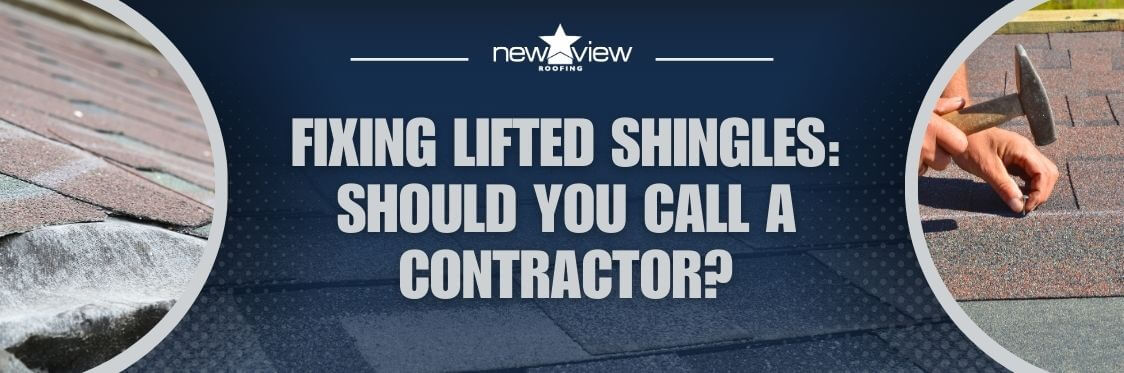

Lifted shingles are one of the earliest signs of roof trouble, yet they often go unnoticed because the damage can appear subtle from the ground. A lifted shingle is any shingle that no longer lies flush against the roof decking. Its edges may be raised, partially detached, or visibly warped. While the appearance seems minor, a small gap between the shingle and the roof surface can significantly affect how the roof performs during heat, rain, and high winds.
The adhesive strip at the bottom of each shingle is designed to seal under heat and pressure, creating a watertight bond that resists wind uplift and blocks moisture intrusion. When that bond breaks, whether from weather exposure, installation errors, or aging materials, the shingle becomes vulnerable. Even a slight lift allows wind to slide underneath the shingle, increasing stress on the entire row and, over time, the whole roof slope.
Why Lifted Shingles Develop Over Time
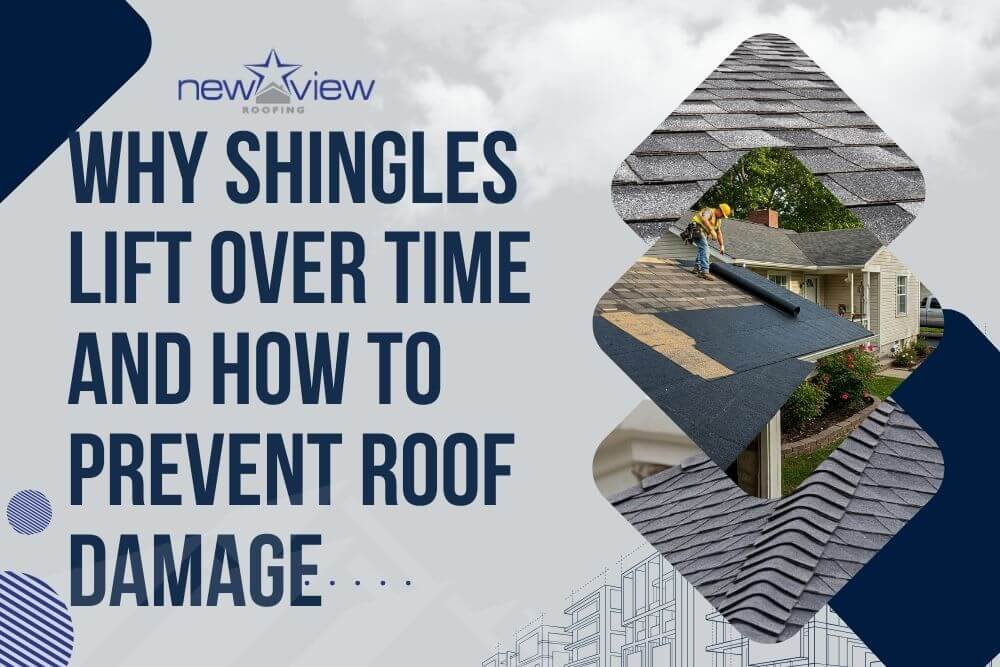
Shingles lift when their mechanical or adhesive bonds begin to fail, and this failure is mostly triggered by wind in storm-prone regions. Shingles that have aged or lost granules present more surface area for wind to grab onto. A strong gust can loosen the first tab, and repeated wind cycles gradually expand the area affected, making it important to know how to fix lifted shingles before more serious damage occurs.
Weathering also plays a significant role as prolonged exposure to UV rays softens and dries the asphalt, eventually making shingles brittle. As brittleness develops, shingles lose flexibility, making it harder for them to reseal once lifted. Temperature fluctuations compound the issue because shingles repeatedly expand during heat and contract when it’s cooler at night. At this point, nails can lift slightly, creating subtle gaps that later become visible lifting.
When roofers place nails too high on the shingle, the shingle loses proper anchoring. Without correct fastener placement, the adhesive seal bears more stress than intended, making it easier for the wind to lift the tab. Similarly, insufficient nail count or improper ventilation beneath the roof deck can weaken the shingle bond, increasing the risk of lifted shingles.
How Lifted Shingles Affect the Strength of Your Roof
The primary danger of lifted shingles is moisture intrusion. Once water enters beneath the shingle, it can travel along the underlayment and seep into nail penetrations, eventually reaching the roof decking. Moisture absorption leads to wood rot, mold growth, and insulation damage long before interior leaks become visible.
A single lifted shingle compromises the wind resistance rating of the surrounding shingles, making it more vulnerable. During a storm, uplift pressure can escalate rapidly, tearing multiple shingles from the roof and exposing large areas of underlayment or bare decking. At this stage, even a short period of rainfall can cause significant water damage.
Lifted shingles also reduce the overall lifespan of the roof as they compromise the waterproofing system, resulting in granules being shed more rapidly and eventual deterioration. The deterioration often accelerates silently, so homeowners may not notice the problem until leaks form or storm damage becomes visible.
How to Fix Lifted Shingles Safely and Effectively
Repairing lifted shingles requires precise evaluation; the correct approach depends on the condition of both the shingle and the underlying materials.
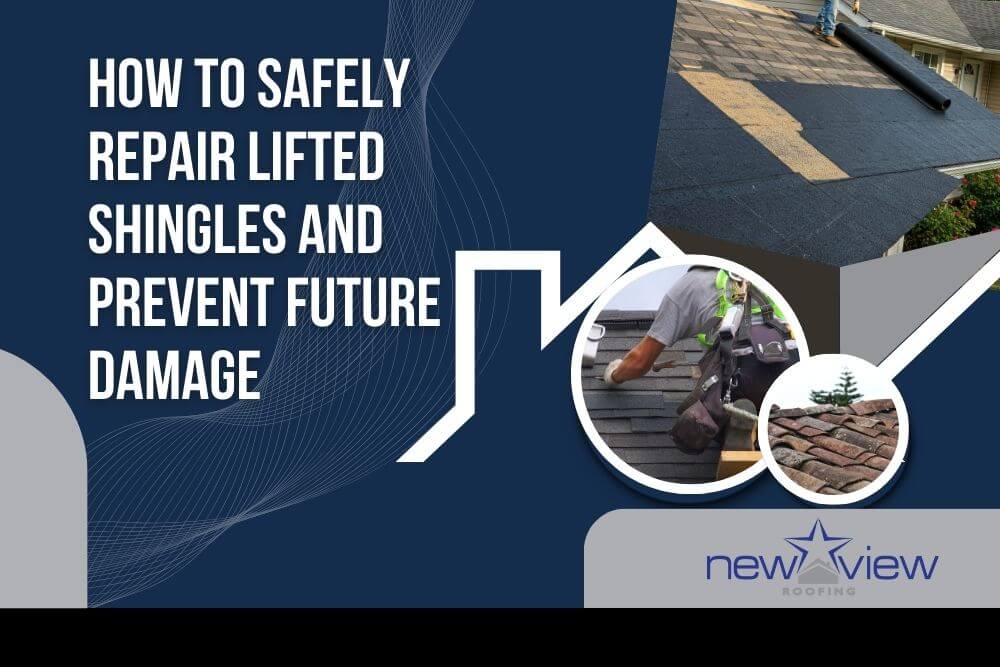
Homeowners often ask how to fix lifted shingles themselves but doing so without proper training can worsen the problem. Stepping on aged shingles can cause cracking, applying too much sealant can trap moisture, and reattaching a damaged shingle can conceal issues without truly repairing them.
Resealing Intact Shingles
When the shingle is still structurally sound and has only lost its adhesive bond, a professional roofer can carefully lift the shingle, apply a high-quality roofing sealant beneath the loosened portion, and press it back into place.
Roofers must ensure the area beneath the shingles is dry before resealing, because trapping moisture can cause future rot. The roofer then assesses adjacent shingles, since lifting usually indicates that neighboring shingles have weakened as well.
Replacing Damaged or Warped Shingles
If the shingle has curled edges, cracked tabs, missing granules, or brittle spots, resealing is not sufficient. Replacement is necessary to restore the roof’s waterproofing capabilities. A roofer removes the damaged shingle, inspects the underlayment and deck, and installs a new shingle with proper nail placement and alignment. This ensures the new shingle bonds correctly with surrounding ones and maintains the manufacturer’s wind rating.
Correcting Underlying Issues
Lifted shingles rarely occur in isolation; there is more often than not an underlying issue. A thorough inspection determines whether installation errors, ventilation problems, storm impact, or aging materials caused the lifting. When ventilation is the issue, improving attic airflow reduces thermal stress and prevents shingles from warping.
Why Professional Repair Matters for Lifted Shingles
Addressing lifted shingles quickly is crucial because the damage spreads faster than many homeowners expect. What begins as a small, raised corner can expand into a compromised roof plane within a single season. Professional roofers not only repair the visible defect but also diagnose the cause, prevent recurrence, and ensure that the roof continues to meet manufacturer warranty requirements.
Reach Out to New View Roofing to Address Lifted Shingles Early!
Lifted shingles may seem minor, but they are early warnings of deeper issues. Homeowners who act promptly, before leaks, rot, or storm-related damage develops, save significantly on repairs and extend the lifespan of their roof.
New View Roofing offers comprehensive assessments, precise repairs, and durable solutions designed for the challenges of Texas weather. Whether you’ve spotted lifted shingles after a storm or simply want to ensure your roof remains in peak condition, contact us at New View Roofing today!